

432 Hz Steel Tongue Drums
Explore Burning27 steel tongue drums tuned to A4=432 Hz - an alternative pitch often chosen for meditation, relaxation and personal sound practice. Each instrument is handmade and individually tuned in our workshop in Ukraine.
2 products
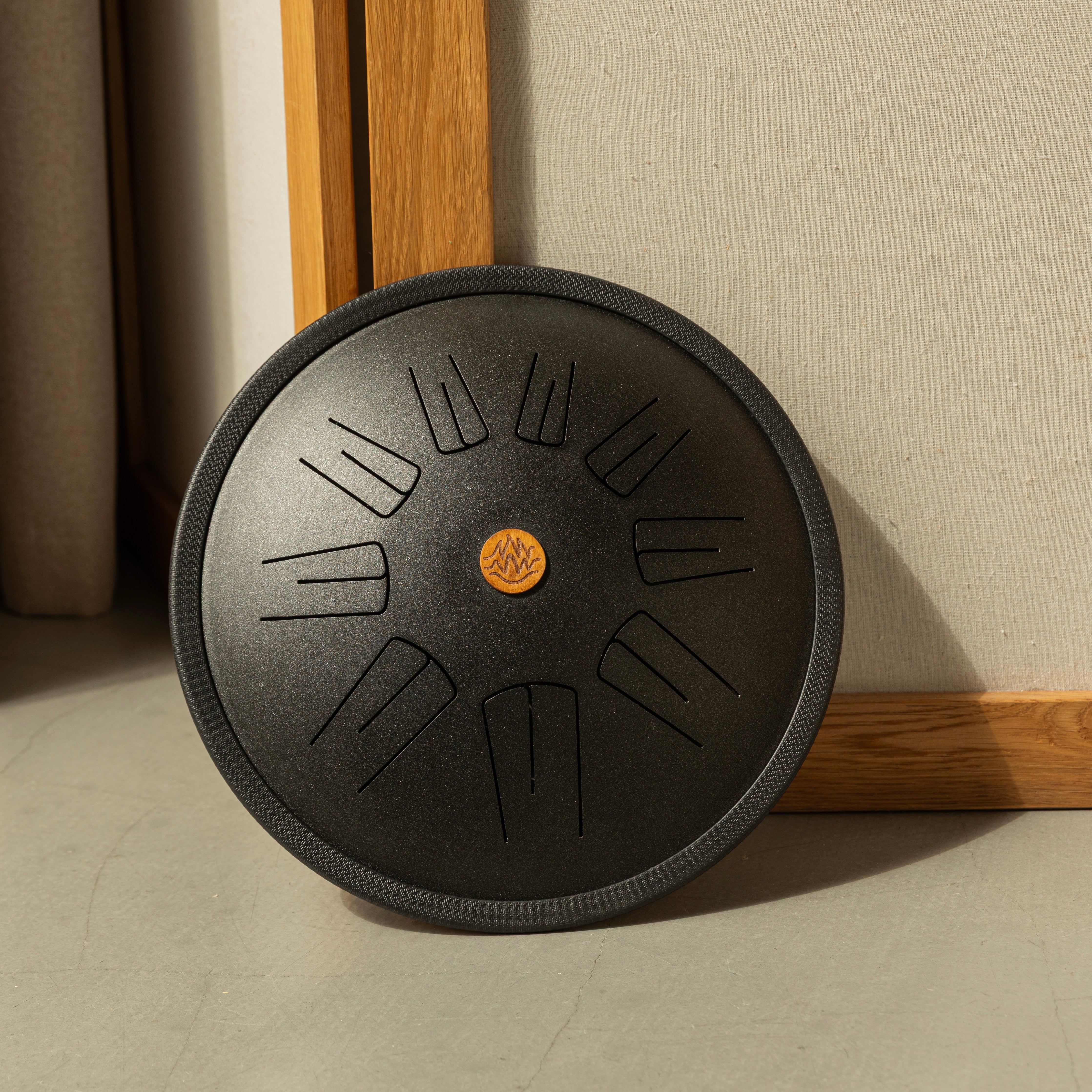
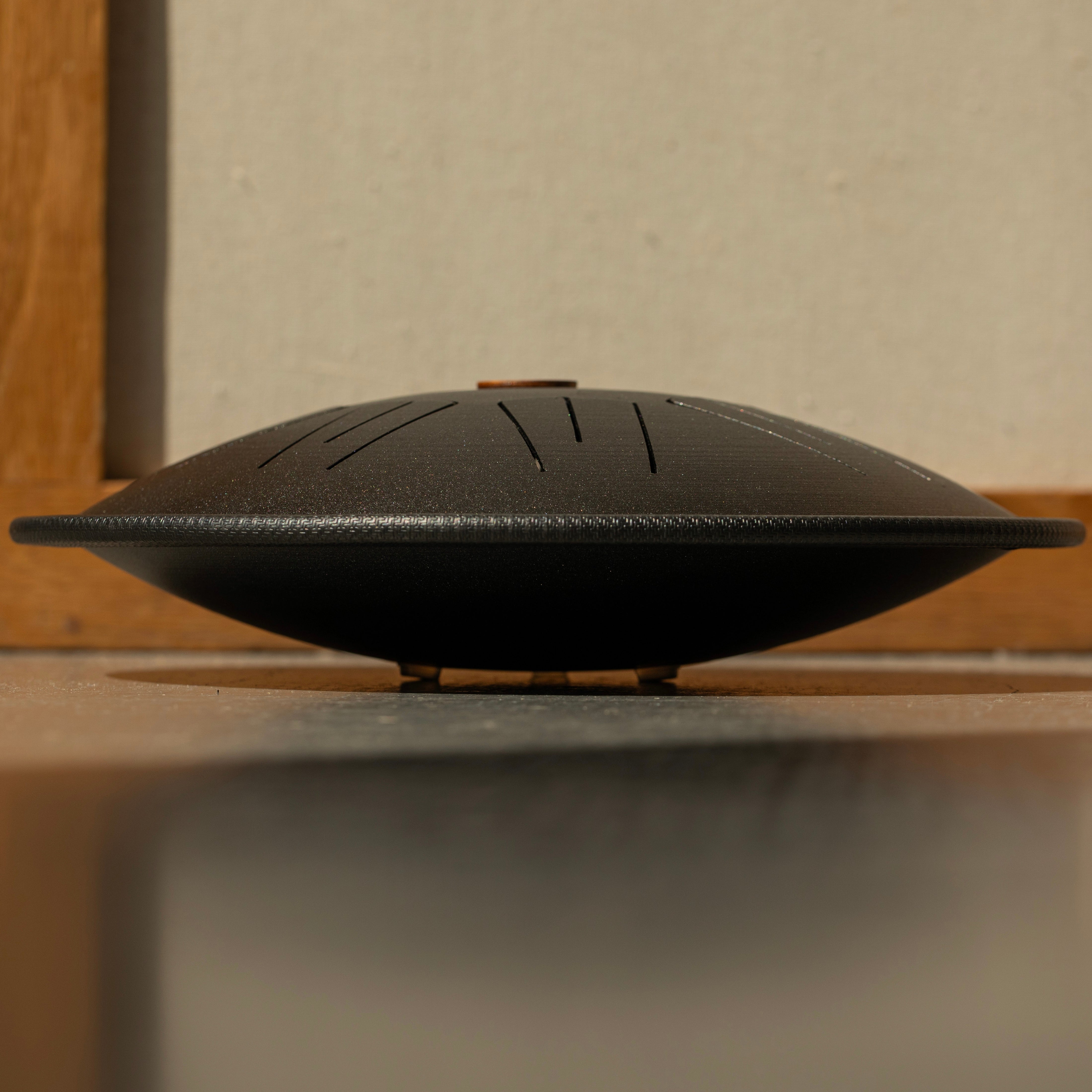


Every tuning has its own vibe. Explore and find yours
Choose Your 432 Hz Scale
Pygmy
Cosmic · Dreamy · Meditative
Atmospheric, spacious and meditative. A strong choice for slow patterns, improvisation and reflective playing.
Amara
Deep · Reflective · Flowing
Balanced and intuitive tones. A versatile minor scale with a flowing melodic character that is perfect for intuitive improvisation.
Major
Warm · Bright · Uplifting
Bright and open tones. A more uplifting tonal character that works well for melodic playing and beginners who prefer a major sound.
Mystic
Deep · Mysterious · Cinematic
A deep and atmospheric scale with a darker tonal character, suited to reflective improvisation, mystical melodies and emotional playing.
Hijaz
Expressive · Powerful · Exotic
Expressive and dramatic tones. A colourful scale with stronger tension and an Eastern-inspired melodic character.
Cosmic · Dreamy · Meditative
Atmospheric, spacious and meditative. A strong choice for slow patterns, improvisation and reflective playing.
Deep · Reflective · Flowing
Balanced and intuitive tones. A versatile minor scale with a flowing melodic character that is perfect for intuitive improvisation.
Warm · Bright · Uplifting
Bright and open tones. A more uplifting tonal character that works well for melodic playing and beginners who prefer a major sound.
Deep · Mysterious · Cinematic
A deep and atmospheric scale with a darker tonal character, suited to reflective improvisation, mystical melodies and emotional playing.
Expressive · Powerful · Exotic
Expressive and dramatic tones. A colourful scale with stronger tension and an Eastern-inspired melodic character.
What Does 432 Hz Mean?

Curious how it compares with standard tuning?
432 Hz refers to the pitch used when tuning the instrument. Instead of the modern standard A4 = 440 Hz, every note is tuned relative to A4 = 432 Hz, resulting in a slightly lower overall pitch while keeping the same scale, note relationships and musical layout.
Some players specifically prefer 432 Hz for meditation, reflective playing and personal sound practice. The difference is subtle rather than a completely different musical system - it is an alternative tuning preference, not a different type of instrument.
Read: 432 Hz vs 440 Hz432 Hz Steel Tongue Drum FAQ
Use this text to share information about your product or shipping policies.
What is a 432 Hz steel tongue drum?
A 432 Hz steel tongue drum is tuned using A4 = 432 Hz as its reference pitch instead of the standard A4 = 440 Hz. The scale, note relationships and layout remain the same, while the overall pitch is slightly lower.
Why do some players choose 432 Hz?
Some players prefer 432 Hz for meditation, reflective playing, slow improvisation and personal sound practice. It is primarily a tuning preference -- the musical character still depends strongly on the scale you choose.
How is 432 Hz different from 440 Hz?
The difference is the reference pitch used during tuning. A4 = 432 Hz places the entire instrument slightly lower than A4 = 440 Hz while preserving the same scale structure and intervals. The difference is subtle rather than a completely different musical system.
Are Burning27 432 Hz drums actually tuned to 432 Hz?
Yes. Our 432 Hz instruments are individually tuned using A4 = 432 Hz as the reference pitch. They are dedicated 432 Hz versions rather than standard 440 Hz instruments presented under a different label.
Can I play a 432 Hz drum together with instruments tuned to 440 Hz?
You can, but the pitches will not align exactly because the instruments use different reference tunings. If you regularly play together with other musicians or fixed-pitch instruments tuned to A4 = 440 Hz, the standard 440 Hz version will usually be the more practical choice.
Are 432 Hz drums available in stock or made to order?
Availability is shown on each product page. Some instruments may be available in stock, while others are made to order and individually precisely tuned before shipping.